Field Notes
Your DLC Attach Rate Isn't a Content Problem
A real project lesson from Ravenswatch and Taxi Life: your DLC attach rate has nothing to do with your store page, and everything to do with what happens inside the game.
A cosmetic DLC gets designed, priced, and shipped to the first-party store. Then the studio waits for the attach rate to climb on its own. That's usually where the plan stops, and it's the biggest reason attach rate stays low for most studios.
The store page isn't where players decide
Players don't wake up and browse a store page for fun. They open the game to play it. If the only place a DLC exists is a separate listing they have to go find on their own, most of them never will. Not because they wouldn't buy it. Because they never knew it was there.
Now think about the moment a player opens their hero select screen, or picks a car, or scrolls through skins. That's the one moment in the entire session where they're already thinking about exactly the kind of thing you're trying to sell them. Missing that moment and hoping the store page catches them later is backwards.
What nobody on the team had thought to build
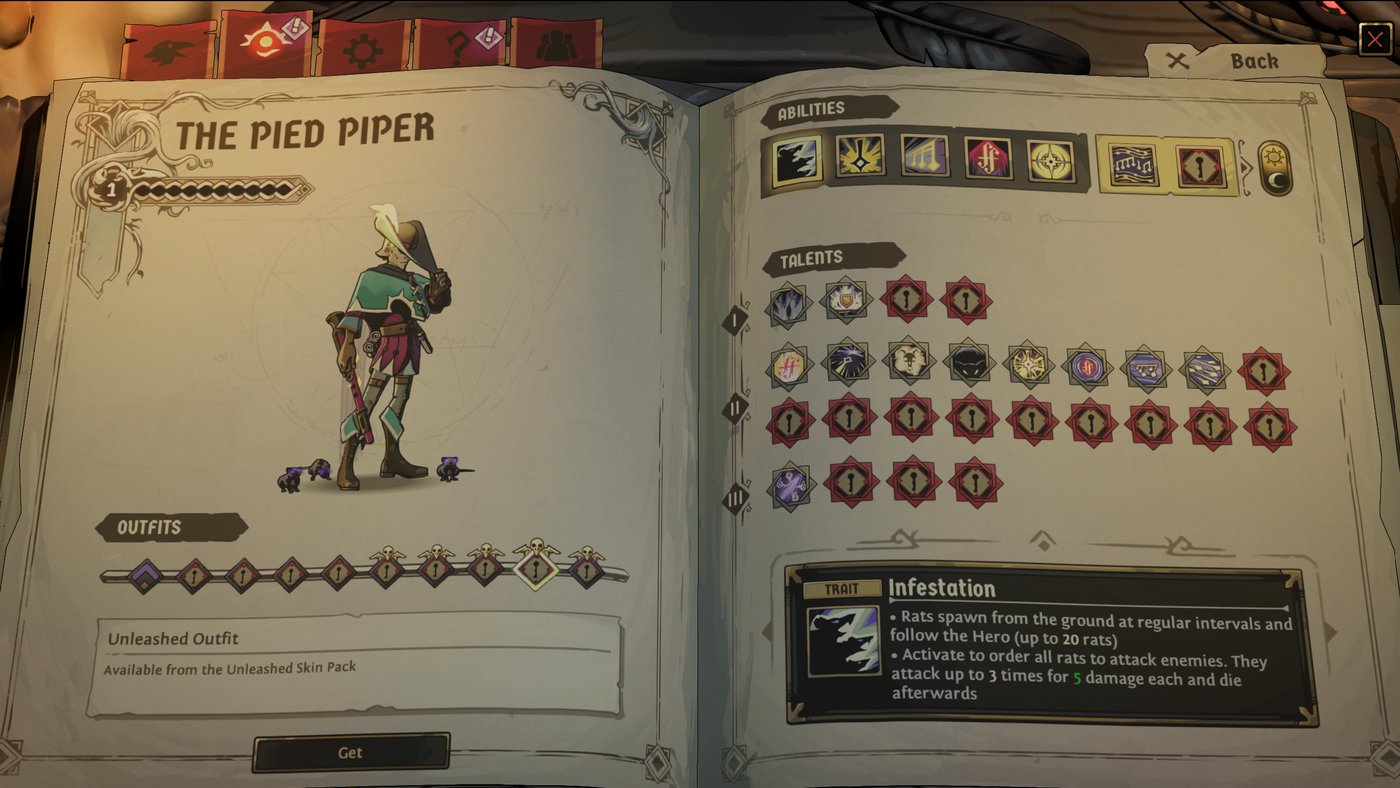
I worked on live ops for Ravenswatch, Passtech Games' roguelite, and caught this exact gap during an early build of the hero select screen. A skin locked behind a DLC pack simply didn't appear anywhere on that screen. Not a locked icon, not a greyed out slot, nothing. Nobody had decided that on purpose, it just hadn't come up yet during design, so I flagged it the moment I saw it.
That's a missed opportunity, and a costly one. Nothing sells a future purchase like a preview of it, especially a full-size character model right in the center of the screen, exactly where the player is already looking.
By the time Ravenswatch reached 1.0, the team was ready to maximize DLC sales on every new character and skin. The hero select screen already did the work it needed to do. Look up the Fairytales Skin Pack or the Unleashed Skin Pack on Steam today, and both still list themselves as available straight from the hero select screen, right in their own store description. That's not a small detail. It's the fix, written into the sales copy itself.
A full-size model beats a store thumbnail every time
A store page shows a static thumbnail, usually small, usually surrounded by ten other thumbnails competing for the same click. A selection screen can show the real thing, full size, in the game's own lighting, on the exact model the player is about to control.
SnowRunner does this well. Open the garage, and a locked DLC truck sits right in the list next to the ones you already own, tagged, not hidden. Select it, and the full vehicle fills the center of the screen exactly like an owned one would. You're not looking at a marketing render. You're looking at the actual truck, at actual size, the way it will look the moment you unlock it.
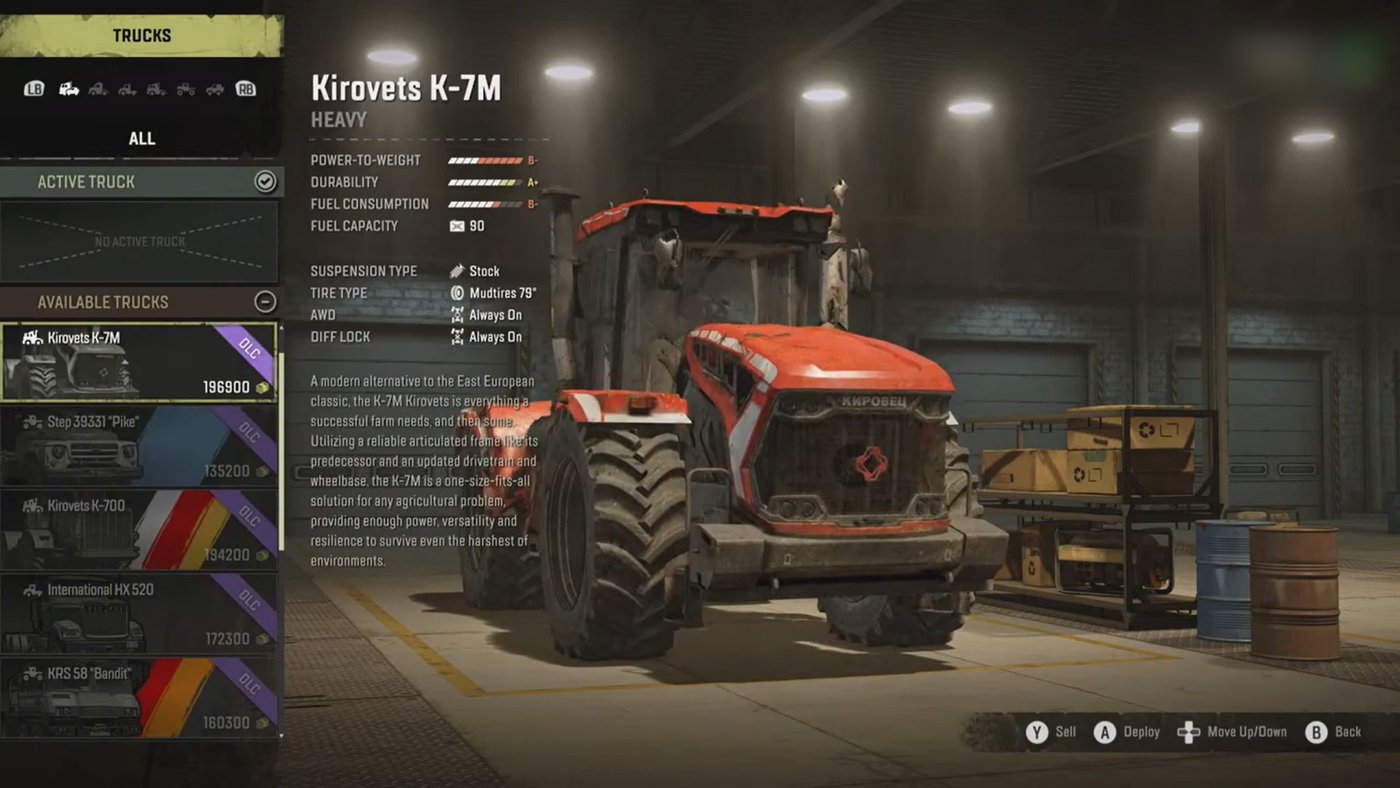
That's a stronger sales pitch than anything a store screenshot can do, and it's sitting inside a screen players already visit constantly.
This isn't just my opinion
Part of how I work is benchmarking how other games handle DLC and monetization, and sorting what I see into three groups: what's genuinely great, what's fine but could be sharper, and what should never be done at all. In-game DLC visibility lands in the great group almost every time. Any time a player is choosing a car, a character, a skin, or a map, the best-performing games show what else is available through a DLC, even the content they don't own yet. Relying only on the first-party store to do that job is inefficient, full stop.
Players agree, publicly. When a game hides its DLC content behind a store listing with nothing to show for it in the game itself, players call it out directly on that game's own forums. A skin they can already inspect up close in character select, before spending a cent, beats any screenshot a store page could offer them.
Buying it should unlock it, immediately
Visibility gets a player to the purchase decision. What happens the second after they buy matters just as much, and it's a rule on its own: unlock at purchase. If a player can already see a piece of DLC content inside the game, buying it needs to make that content usable right away. Being able to view it was never supposed to mean they still have to grind soft currency to actually get it after paying real money for it.
SnowRunner shows the rule working, with one detail worth being precise about. In the default mode, a DLC truck goes straight into your garage the moment you own it. There's also a harder difficulty mode with its own tighter economy, where even a DLC truck has to be earned like every other vehicle in that mode. That's not the rule breaking. A player who picks the harder mode is choosing its economy too, knowingly. The rule is about the mode most players are actually in: buy it, use it, no extra step.
Taxi Life is a good example of the rule breaking, and a better example of why the fix isn't as simple as "just give it away." Its deluxe edition included a genuinely nice vintage convertible as part of what a player was already paying extra for. To actually drive it, they still had to unlock the car in game at full price, in soft currency, as if the edition had never included it at all. That's charging for the same item twice.
But there's a real reason it's not that simple to fix. Taxi Life lets a player build up their own fleet of taxis, and handing that convertible over free, without limit, on every taxi in the fleet would break the game's own economy, growing a fleet is supposed to cost something. That's real, not an excuse for the double charge. Nothing stops the first car from being free, exactly like the rule asks for, while every additional copy for the rest of the fleet is priced in soft currency instead. The player gets what they already paid for, once, immediately. The fleet economy stays intact for everything after. Catching that difference before launch, instead of defaulting to a flat "pay again in full," takes planning, and someone looking at the whole post-launch plan, not just one DLC at a time, to catch it before it ships.
That's the whole point. A DLC sitting quietly in the first-party store isn't marketing, it's paperwork. The real monetization happens the moment you communicate its existence to a player who's already looking, inside the game they're already playing, and it isn't finished until the purchase itself delivers instantly, without breaking anything else you've built. That's what actually moves attach rate. Not a better price, not a bigger banner on the store page. Just making sure the player sees it, and gets it, exactly when they're already looking.